Landmark Booksellers
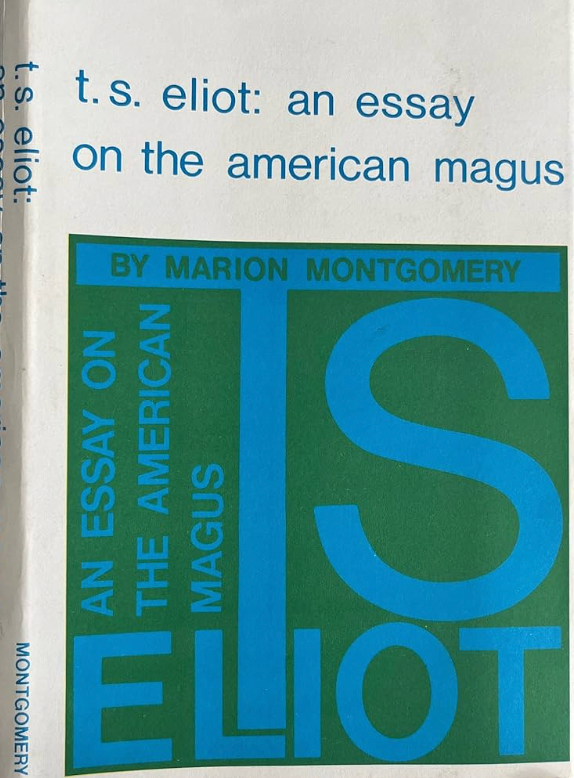
T.S. Eliot: An Essay on the American Magus
T.S. Eliot: An Essay on the American Magus
Couldn't load pickup availability
This brilliantly allusive and gracefully written study is focused on T. S. Eliot's developing commitment to Christianity, but the essay is by no means procrustean or reductive in its strategies, nor is it theological.
Montgomery shows how Eliot's intellectual and emotional uneasiness in the early poems is reflected in such technical devices as point of view and imagery. The questions of the poem's voice and the poet's mask (which are often ironic in nature) become less pressing as time goes on, and finally Eliot comes to a dynamic stillness--a frozen point in the sea of change that is variously called nature, history, and society. This stillness embodies the poet's rendering of Christian incarnation--the Word within the word. The author finds too that Eliot's imagery grows richer during the progress of his spiritual journey. As the imagery becomes more religious it also grows more complex and more concrete.
Share